


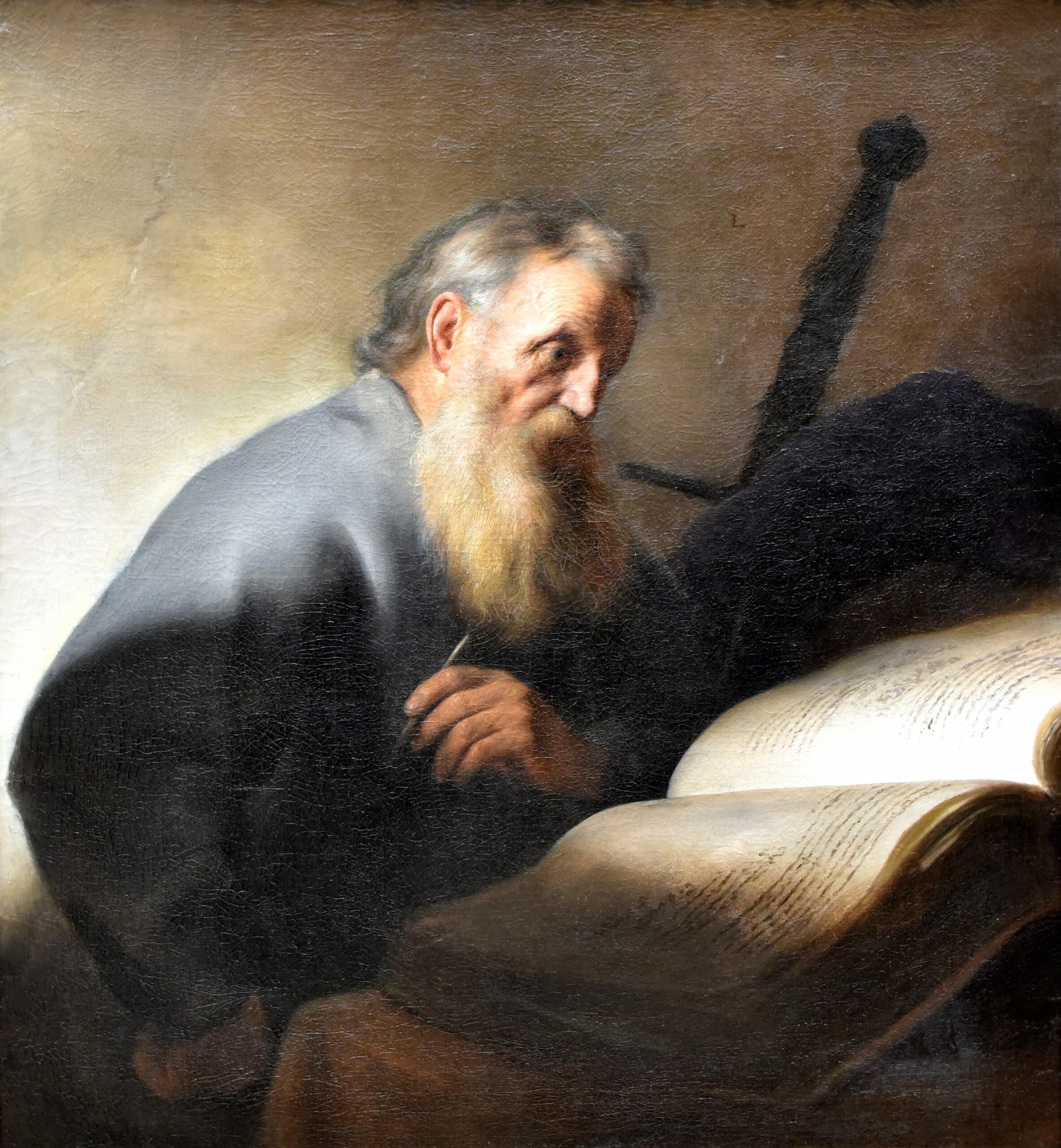
Ephesus for Christian travelers is one of Turkey’s most meaningful biblical destinations — connected with Apostle Paul’s ministry, the Seven Churches of Revelation, the Basilica of St. John, and the traditional final home of the Virgin Mary. This guide helps cruise passengers, independent pilgrims, and Seven Churches travelers choose the right faith-focused itinerary.
What biblical sites can you visit at Ephesus?
In and around Ephesus, Christian travelers can visit the Ancient City with its Great Theatre, the setting of Acts 19; the Basilica of St. John on Ayasuluk Hill in Selcuk; and the House of the Virgin Mary on Mount Koressos. The Seven Sleepers Cave is a secondary traditional site currently under restoration.
Is Ephesus worth visiting for Christian travelers?
Yes. For Christian travelers, Ephesus is one of the most meaningful biblical destinations in Turkey. It connects the Apostle Paul’s ministry, the message to the Church of Ephesus in Revelation, the traditional memory of St. John, and the House of the Virgin Mary into one deeply layered faith journey.
How long do you need for the biblical sites of Ephesus?
A half-day usually works best as an in-depth Ancient City visit, especially for cruise passengers from Kusadasi. A full day allows time for the House of the Virgin Mary and the Basilica of St. John. Independent pilgrims and Seven Churches travelers benefit from one to two unhurried days based in Selcuk.
Why Ephesus Matters for Christian Travelers
Ephesus is one of the most meaningful Christian-heritage destinations in Turkey. It is the city where the Apostle Paul ministered for nearly three years, one of the seven churches addressed in the Book of Revelation, and a UNESCO World Heritage Site recognized in part for its role in the early spread of Christianity.
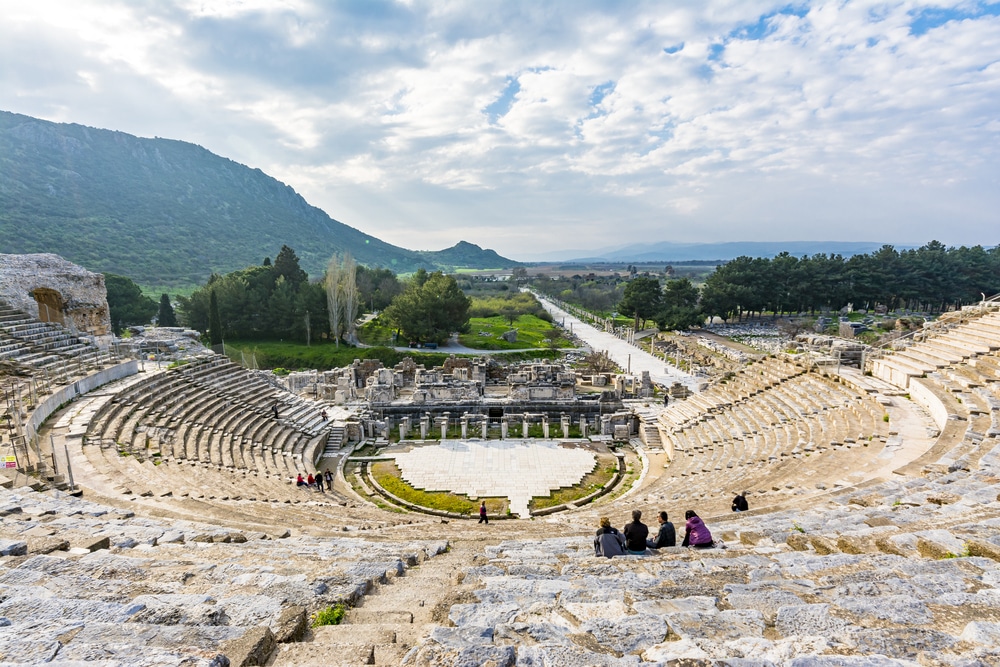
According to Acts 19, Paul taught daily in the lecture hall of Tyrannus for two years during his third missionary journey, so that the message reached the whole Roman province of Asia. The disturbance recorded in the same chapter — the silversmiths’ riot against Paul — culminated in the Great Theatre, which still stands today in the lower part of the ancient city.
Christian tradition also connects Ephesus with the Apostle John, believed by many Christian pilgrims to have spent his final years in this region and to be buried beneath the central dome of the Basilica of St. John in Selcuk. The same tradition holds that John brought the Virgin Mary to a small stone house on Mount Koressos, where she lived her last years — a site later visited by Popes Paul VI, John Paul II, and Benedict XVI in 1967, 1979, and 2006.
The city’s weight in Christian history reaches beyond its individual sites. The Third Ecumenical Council was held at Ephesus in AD 431, in the Church of Mary, where the title Theotokos — Mother of God — was formally affirmed in Christian doctrine. Paul’s Letter to the Ephesians, the tenth book of the New Testament, is addressed to the Christian community that grew out of his work in this city.
Biblical Passages Connected with Ephesus
- Acts 19 — Paul’s ministry in Ephesus and the disturbance at the Great Theatre.
- Revelation 2:1–7 — the risen Christ’s message to the Church of Ephesus.
- Letter to the Ephesians — Paul’s theological letter to the Christian community at Ephesus.
The Biblical Sites of Ephesus — What You’ll See
Most faith-focused itineraries at Ephesus cover three core sites and two optional ones. The three core sites sit within a short drive of each other; the optional sites add depth for travelers with more time or a serious pilgrimage focus.
The Ancient City of Ephesus
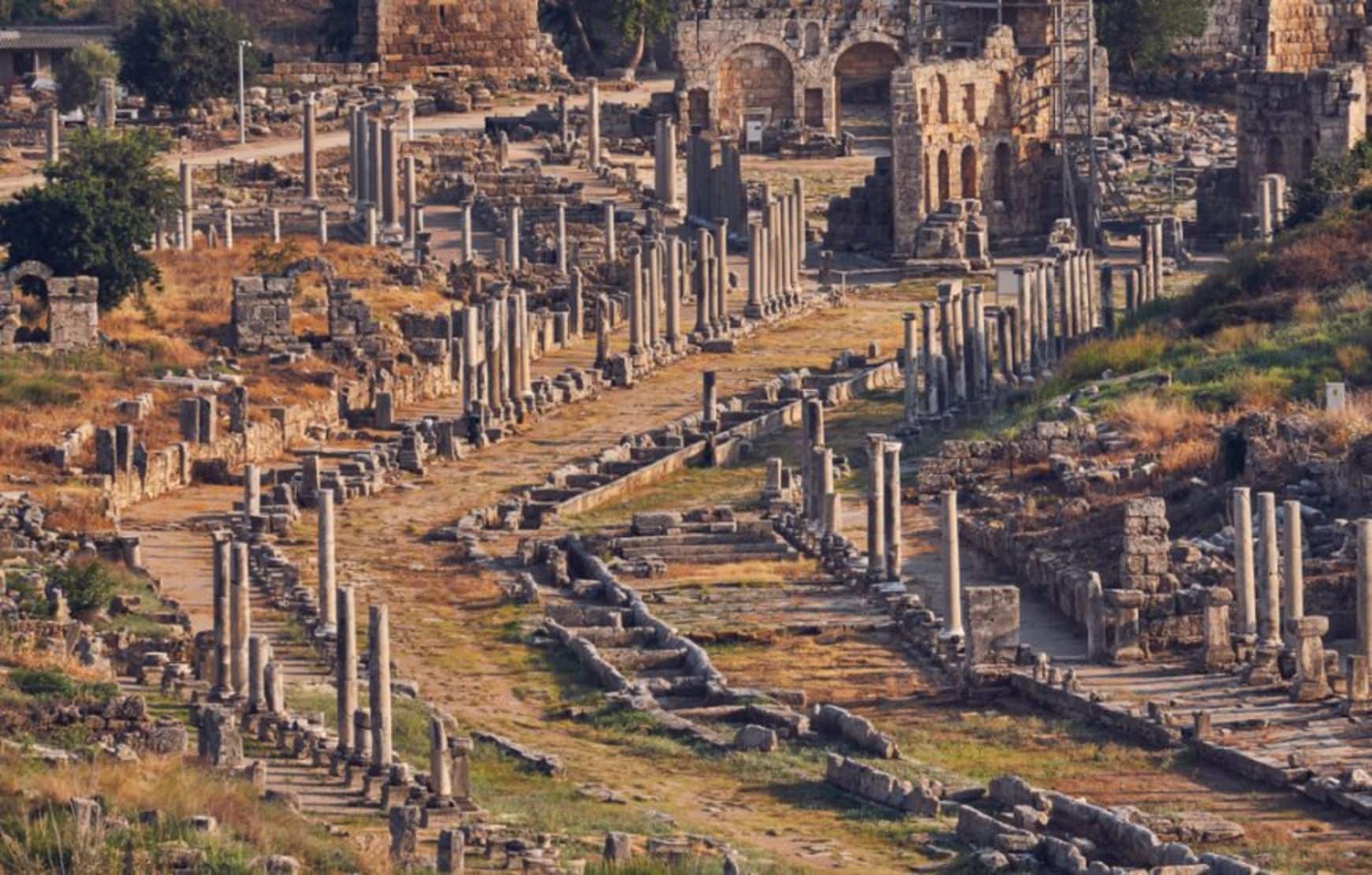
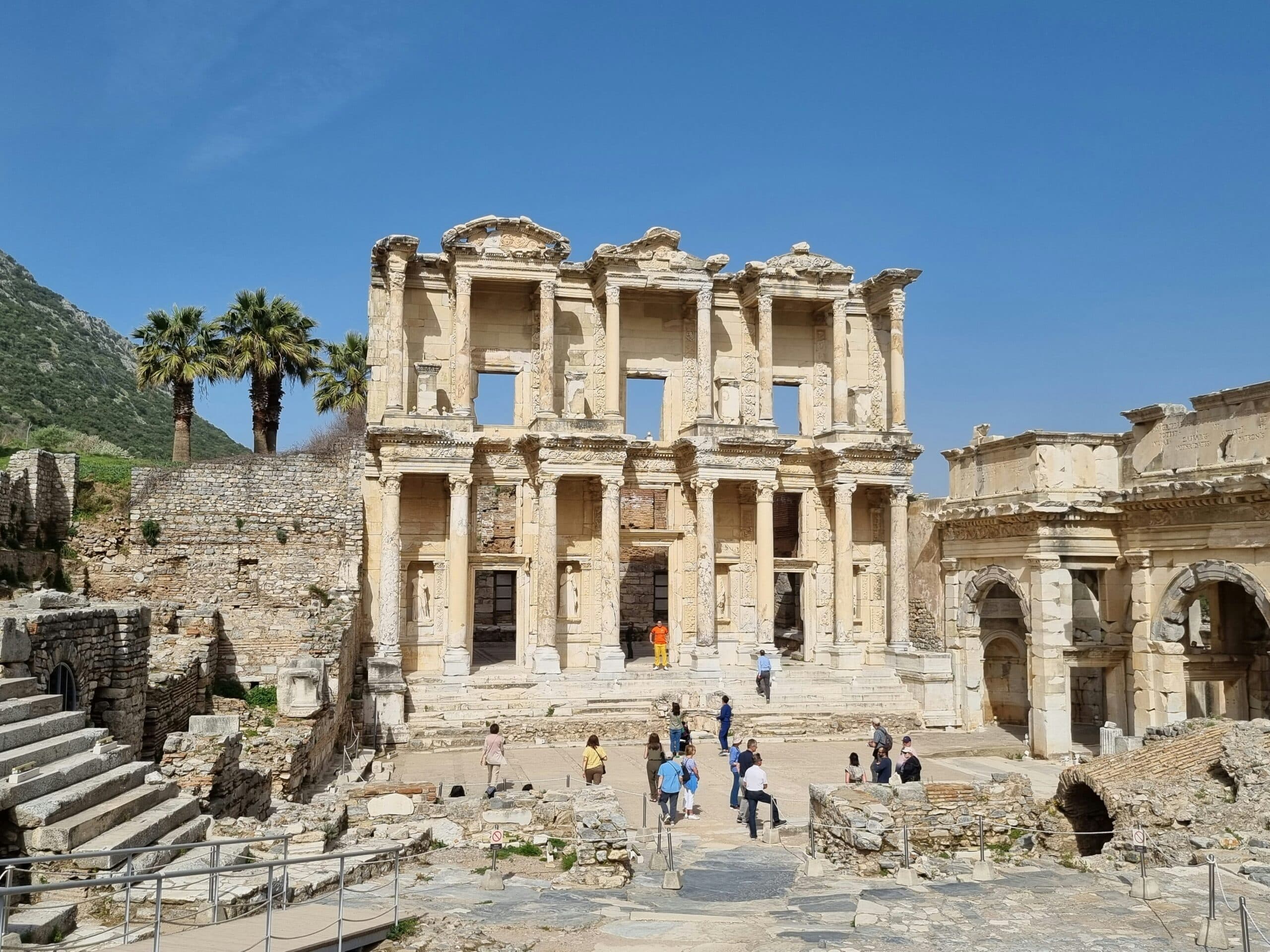
The Ancient City is the largest of the biblical sites and the one most directly tied to the New Testament. The Great Theatre, with an audience capacity of around 25,000, is where the riot in Acts 19 culminated — many groups pause here to read the chapter aloud. Curetes Street, lined with marble columns and statue bases, was the public spine of the city in Paul’s day, and the Library of Celsus stands as the most recognizable monument on the route. If time allows, the remains of the Temple of Artemis can also be added as a short contextual stop, helping explain the religious and economic world behind the Acts 19 disturbance.
The Basilica of St. John
On Ayasuluk Hill above Selcuk, the 6th-century Basilica of St. John was built by Emperor Justinian over the site traditionally identified as the Apostle John’s burial place. The tomb itself sits beneath the central dome and is marked by four columns. The basilica is reached on foot from a small entrance in Selcuk and is typically visited in 30 to 45 minutes.
The House of the Virgin Mary
The House of the Virgin Mary sits on Mount Koressos, about seven kilometers from the main Ephesus archaeological site and reached by a separate mountain road. It is one of the most devotional sites a Christian traveler can reach in Turkey, drawing both Christian and Muslim pilgrims year-round. Mass and prayer details, the Wishing Wall, and practical visitor flow are covered in depth on our dedicated House of the Virgin Mary page.
Seven Sleepers Cave (Secondary Site)
The Seven Sleepers Cave, near the foot of Mount Pion, is the traditional resting place of seven young Christians said to have hidden from persecution under Emperor Decius. The site is currently under restoration, with works expected to continue through 2028–2029. During this period, the cave may only be viewable from outside or from nearby, depending on conditions on the day of the visit.
Cave of St. Paul (Special Access Only)
The Cave of St. Paul is located within a restricted area connected with the Ephesus archaeological site and contains early Christian frescoes, including the well-known depiction of St. Paul and Thecla. It is not a standard public visit — access is restricted and requires special permission in advance. For serious private pilgrimage groups, typically of ten or more guests, we can request permission depending on official approval and site conditions on the date of the visit.
Choosing Your Christian Visit — Matching the Trip to the Traveler
There is no single right way to visit Ephesus as a Christian traveler. The right itinerary depends on how much time you have on the ground, how much travel logistics you control, and whether Ephesus is your full faith journey or one stop on a longer pilgrimage. Four traveler types — half-day cruise passengers, full-day cruise passengers, independent pilgrims, and Seven Churches travelers — each call for a different plan.
Cruise Passengers on a Half-Day Port Call
For cruise passengers with a half-day port window in Kusadasi, the strongest plan is a focused, in-depth visit to the Ancient City of Ephesus. A thorough guided walk through the site takes around three hours, and the transfer from Kusadasi port adds about twenty-five minutes each way. The House of the Virgin Mary can be added if the timing window is comfortable, but trying to fit all three core sites into a half-day window usually means rushing each one of them.
Cruise Passengers on a Full-Day Port Call
A full-day cruise call opens up the complete core route: the Ancient City, the House of the Virgin Mary, and the Basilica of St. John. With a private guide and vehicle, all three can be visited in sequence without backtracking, finishing in Selcuk before the return to the port. Ship arrival time and group energy levels are the two factors that shape pacing on the day.
Independent Faith Travelers
Independent travelers based in Selcuk are best positioned for a slower, faith-focused visit. We recommend at least one full day for the three core sites at a reflective pace, with the Ancient City handled in the calmer window of early morning; depending on the day’s cruise traffic, the House of the Virgin Mary can often be planned outside the busiest window. A second day allows time for the Ephesus Archaeological Museum, optional traditional sites such as the Seven Sleepers area, unhurried personal time on Mount Koressos, and Sirince as a gentle cultural add-on if desired.
Seven Churches Pilgrims
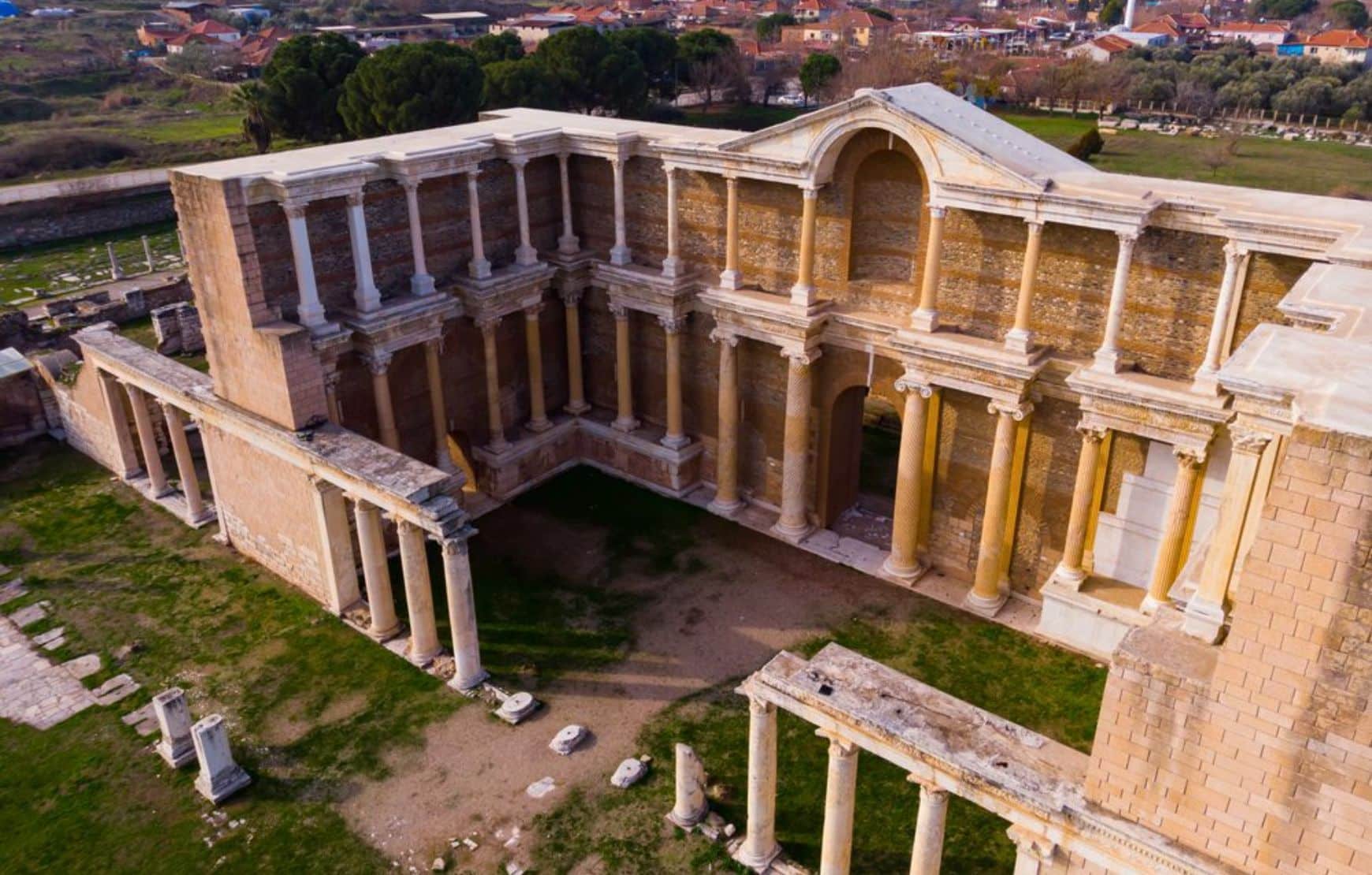
For travelers undertaking the full Seven Churches of Revelation pilgrimage, Ephesus is church number one — the natural anchor and starting point. A comfortable pace is five to seven days for all seven sites, with Ephesus typically receiving the most time given the depth of its biblical and archaeological layers. From Ephesus, the route moves through Smyrna, Pergamum, Thyatira, Sardis, Philadelphia, and ends at Laodicea near Pamukkale.
How a Christian Visit Actually Works on the Ground
A meaningful Ephesus visit is shaped as much by how you move through the site as by what you see. Gate choice, pacing, and the time of day all change the experience — and these are the operator-level decisions that separate a comfortable, reflective visit from a hot, rushed one.
Gate Choice and Flow Through the Site
At the Ancient City we generally enter through the Upper Gate and walk downhill toward the Lower Gate, finishing the route near the Great Theatre. This direction is chosen for comfort and storytelling flow rather than for a theological reason; the biblical connection becomes strongest at the Great Theatre, where the riot recorded in Acts 19 culminated and where it is natural to pause and read the chapter.
Crowd Timing
Crowd levels at the Ancient City rise sharply once cruise convoys arrive from Kusadasi, typically mid-morning. The calmer windows are the first hour after the gates open and the late afternoon as convoys head back to the port. The House of the Virgin Mary follows a similar rhythm but on a slightly later curve, and groups generally plan it for either the start or the end of the day depending on that day’s pattern.
Where to Base — Selcuk or Kusadasi
Selcuk is the closest base to all three core biblical sites — it is the town immediately next to the Ancient City and the home of the Basilica of St. John. It is the natural choice for independent pilgrims, multi-day faith visits, and Seven Churches travelers. Kusadasi, about twenty-five minutes away on the coast, is the natural base for cruise passengers and travelers combining Ephesus with a beach stay.
Why a Biblical Guide Matters
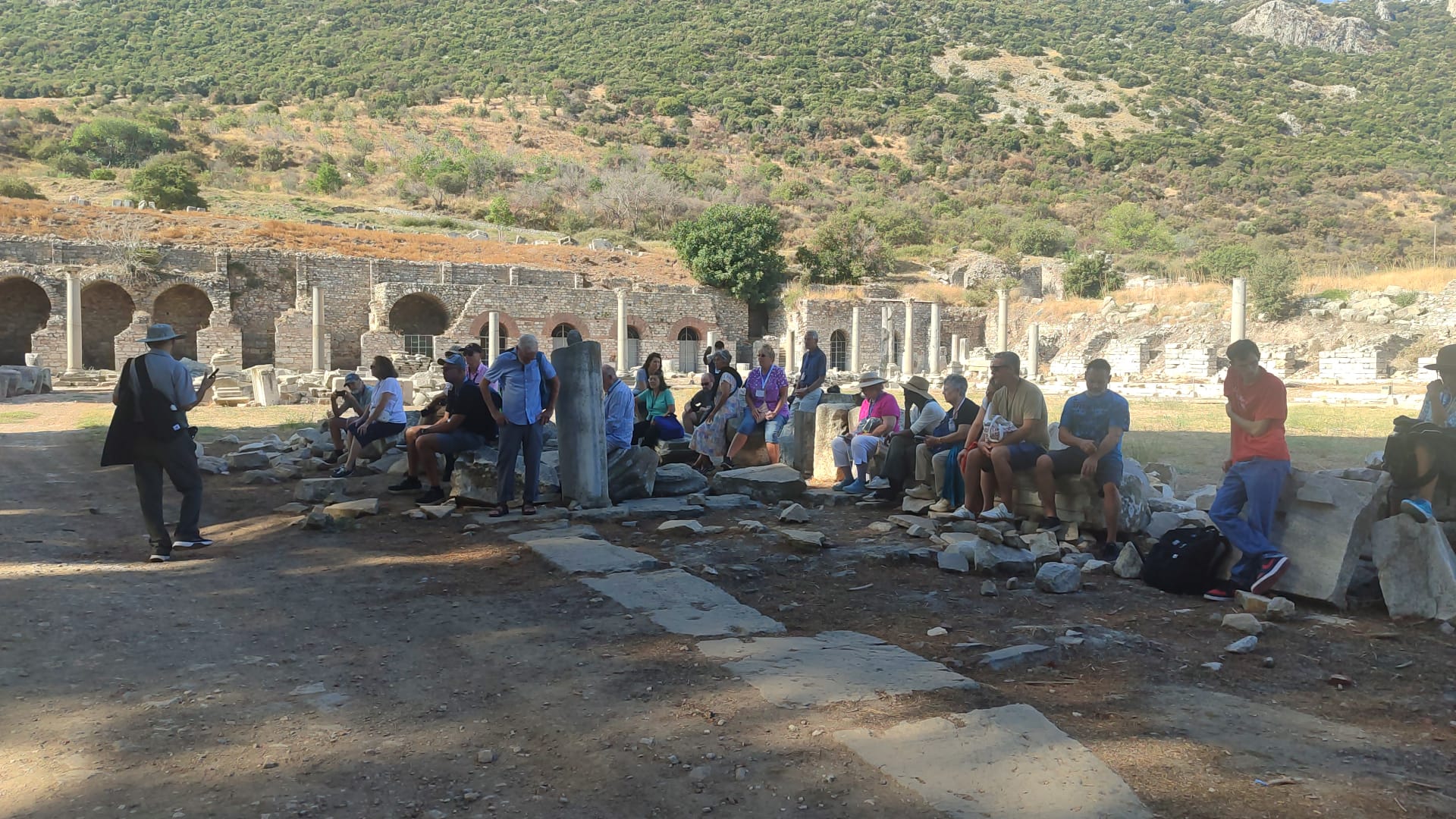
A faith-focused Ephesus visit depends heavily on the guide’s ability to connect place, scripture, and tradition. The Great Theatre is more meaningful when Acts 19 is explained on site; the Temple of Artemis context helps travelers understand the religious and economic world Paul entered; and the message to the Church of Ephesus in Revelation gains depth when it is connected to the city’s real history. A good biblical guide also separates what is directly biblical, what belongs to early Christian history, and what is preserved through Christian tradition — so the visit remains both meaningful and historically responsible.
Practical Notes for the House of the Virgin Mary
The House of the Virgin Mary sits on a separate mountain road that climbs Mount Koressos. The full visit, including the chapel, the Wishing Wall, and the springs, typically takes 45 to 60 minutes. A modest dress code is enforced — shoulders and knees must be covered, and wraps are available at the entrance for visitors who arrive unprepared. Mass or prayer services may be available depending on the day and schedule; we recommend checking the current schedule before the visit.
Our Recommendation
For most readers, the natural next step after this guide is a private, faith-focused tour with a local biblical guide who understands both the sites and the visitor flow. The two tours below match the traveler types described in this guide directly.
For cruise passengers, independent travelers, and devotional groups whose pilgrimage centers on Ephesus itself, our Biblical Ephesus Tour is the right starting point. It covers the three core biblical sites — the Ancient City, the House of the Virgin Mary, and the Basilica of St. John — with the pacing, gate choice, and on-site biblical commentary described above.
For travelers who want the complete pilgrimage arc, our Seven Churches of Revelation Tour in 7 Days uses Ephesus as the anchor and continues through Smyrna, Pergamum, Thyatira, Sardis, Philadelphia, and ends at Laodicea near Pamukkale. Private transfers, carefully planned overnight bases, and a biblical guide handle the logistics so the days remain focused on the sites themselves.
If your group’s focus, timing, or faith emphasis doesn’t quite match these two tours, we can build a private faith itinerary around your specific dates, group size, and pace.
Explore Our Private Ephesus Tours

How long did the Apostle Paul stay in Ephesus?
According to Acts 19, Paul taught in Ephesus during his third missionary journey, first in the synagogue and then daily in the lecture hall of Tyrannus for two years. In Acts 20:31, Paul later refers to his ministry in the region as lasting three years.
Is Ephesus one of the Seven Churches of Revelation?
Yes. Revelation 1:11 lists Ephesus first among the seven churches addressed in the Book of Revelation. The message to Ephesus in Revelation 2:1–7 commends the church’s perseverance but warns that it has ‘forsaken its first love’ — a passage often reflected on by pilgrims visiting the site.
What is the dress code at the House of the Virgin Mary?
Modest clothing is expected at the House of the Virgin Mary, and visitors should keep shoulders and knees covered as a sign of respect. The same modest dress is also recommended for the Basilica of St. John. Comfortable walking shoes matter throughout — the Ancient City is uneven marble and the Virgin Mary site sits on a mountain.
Can you combine Ephesus with the Seven Churches of Revelation in one trip?
Yes — Ephesus is the natural anchor. A comfortable pace is five to seven days for the seven sites, with Ephesus as church number one. Our Seven Churches of Revelation Tour builds the route around private transfers, carefully planned overnight bases, and a biblical guide who handles each site’s logistics.