


One day or two days in Ephesus? The real decision isn’t about time — it’s about how you structure your trip. This guide shows what you miss in one day, what a second day actually changes, and how to plan the right experience for your travel style.
Is one day enough to see Ephesus?
One day covers the ancient city well — the Celsus Library, the Great Theatre, and the Terrace Houses if you include them. What it doesn’t cover is the broader regional experience: the Ephesus Museum in Selcuk, the Basilica of St. John, the South Ionian sites, or the slower pace that makes the history land differently.
What is the difference between one day and two days in Ephesus?
One day means Ephesus as a single stop — you see the ancient city and move on. Two days means an overnight in Selcuk or Kusadasi and a second day built around regional depth: the South Ionian route, Pamukkale, or the historical layers of Selcuk itself. It’s a structure decision, not a time one.
Is it worth staying overnight near Ephesus?
For most travelers building a Turkey itinerary, yes. An overnight in Selcuk or Kusadasi unlocks a meaningful second day — and which you choose matters: Selcuk suits depth-focused, slower travel; Kusadasi suits comfort and coastal variety. The real question is what you want that second day to give you.
You’re Asking the Wrong Question
Most travelers approach this decision as a time question: how many hours does Ephesus take, and can it fit into the day? It seems logical — but it leads to the wrong answer.
One day versus two days in Ephesus isn’t about whether you have enough time to walk through the ruins. It’s about how you structure your trip. Ephesus as a single stop is one kind of experience. Ephesus as an anchor — with an overnight in Selcuk or Kusadasi and a second day shaped around your interests — is a completely different one.
Most travelers leave feeling satisfied after a one-day visit. But they never see what a different structure could have offered. The ones who stay longer aren’t just seeing more — they’re experiencing the region in a way that a tighter itinerary simply doesn’t allow.
What You Don’t Experience in One Day
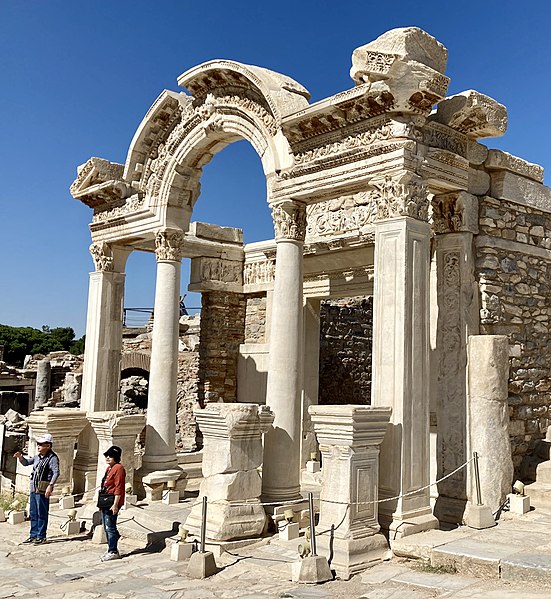
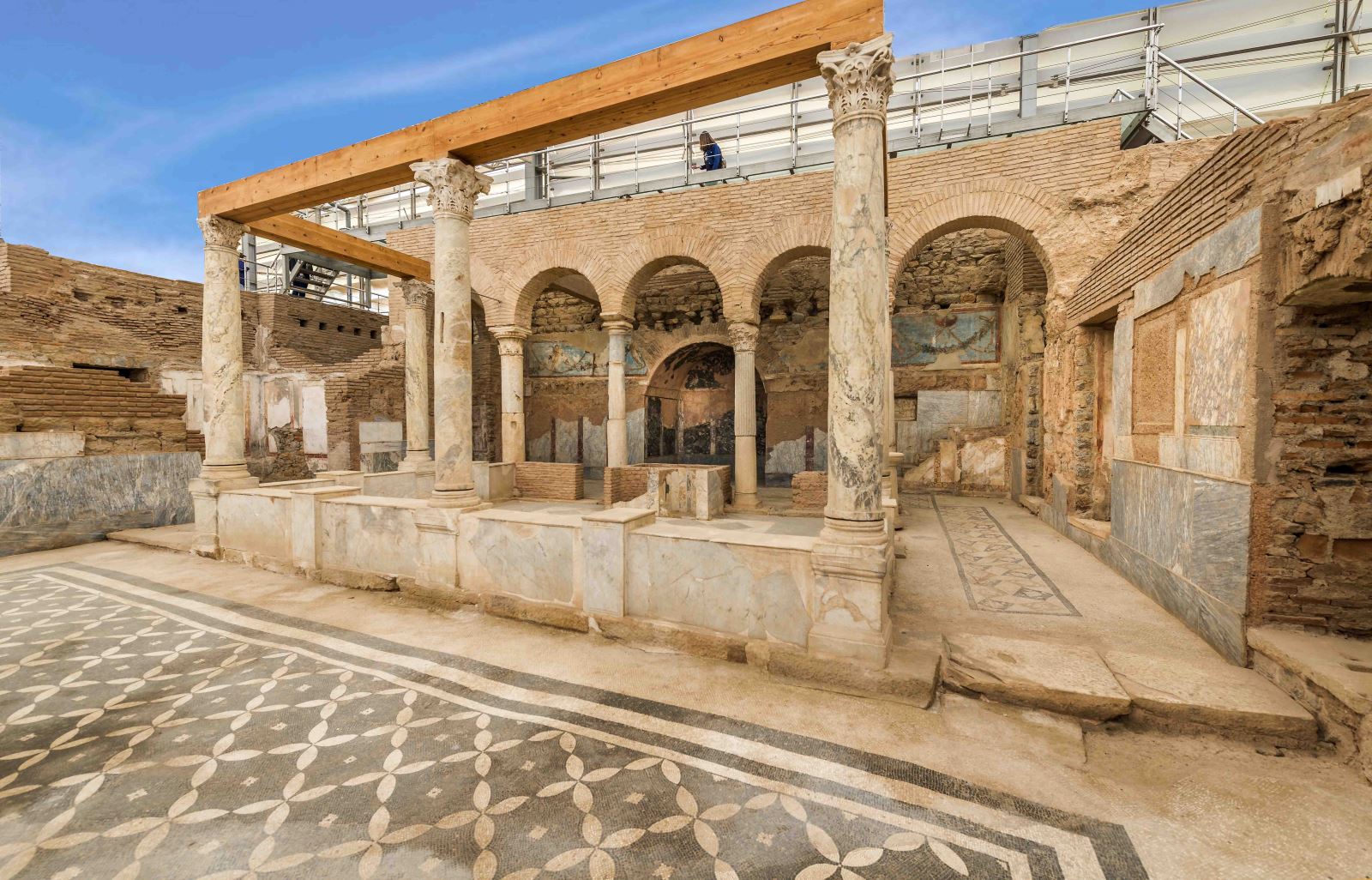
A one-day visit to Ephesus isn’t a failure. You’ll walk through one of the best-preserved ancient cities in the world, stand in front of the Celsus Library, climb the Great Theatre, and — if you plan carefully — spend time in the Terrace Houses. That’s a genuinely strong day.
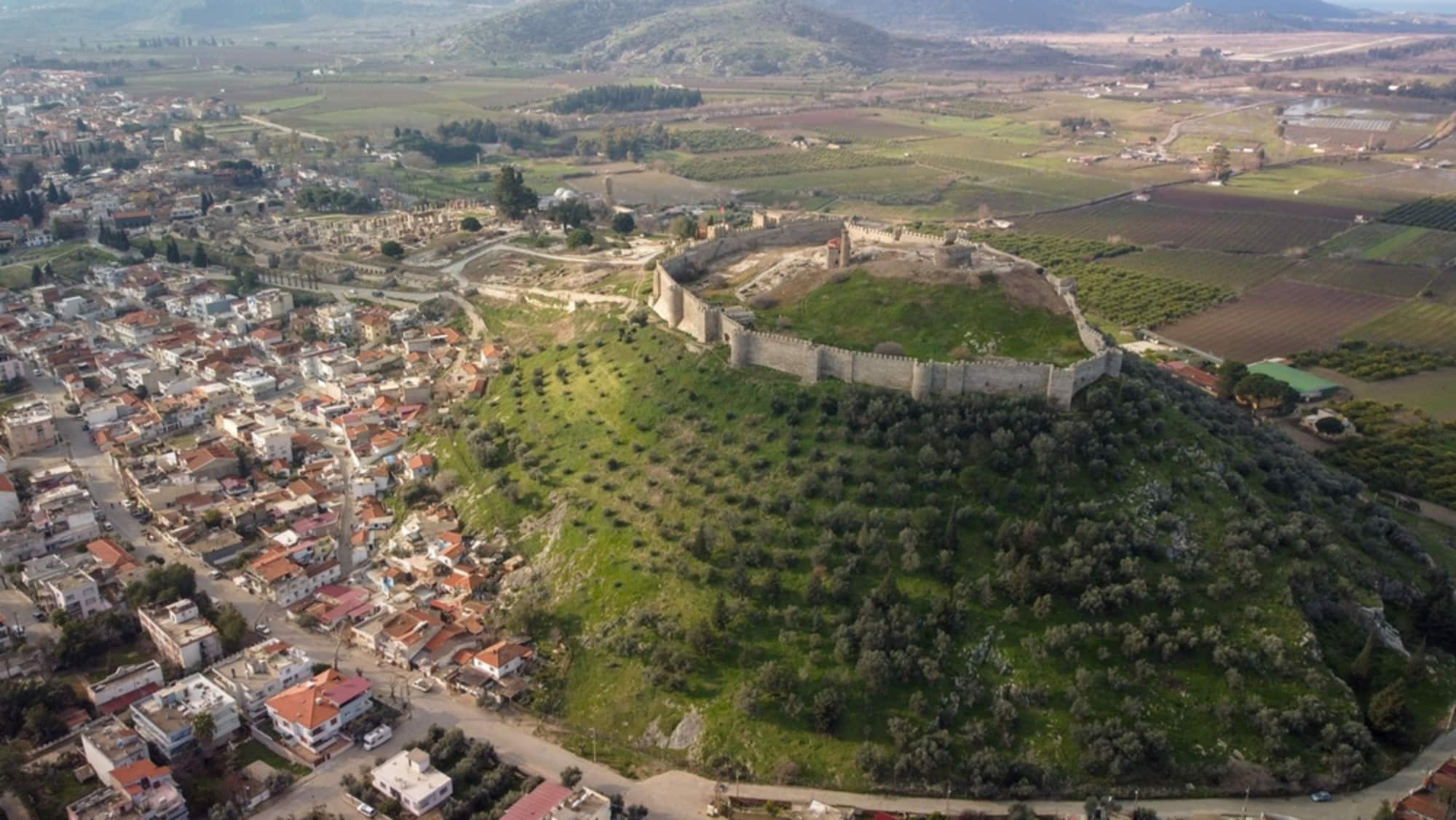
What most one-day visitors don’t realize is that they’re leaving before the region shows its full range. The Ephesus Museum in Selcuk holds the original finds from the excavations — the statues, the friezes, the objects that give the ruins their full context. The Basilica of St. John sits on a hill above Selcuk, quiet and rarely crowded. Sirince, a village in the hills above the plain, offers something Ephesus itself can’t: stillness. The South Ionian corridor — Priene, Miletus, Didyma — is a full day of ancient sites that most visitors to this region never reach at all.
Most travelers don’t feel like they’ve missed anything — because they never see what was possible in the first place.
But the gap isn’t only in what you see. It’s in how you move. A one-day visit has a particular tempo — arrive, cover the site, leave. There’s nothing wrong with that tempo. What it doesn’t allow is presence: the kind that comes from not having a bus to catch, from being able to double back, from ending the day somewhere quiet and letting it settle. That difference in rhythm is what the second day is really about.
What a Second Day Actually Changes
The second day doesn’t give you more Ephesus. It gives you a different relationship with the region entirely.
Logistically, it removes the pressure that shapes most one-day visits: the morning transfer, the timed entry, the constant calculation of what to include and what to skip. With an overnight base in Selcuk or Kusadasi, the itinerary breathes. The Terrace Houses get the time they deserve. You leave the site without watching the clock.
But the more important shift is experiential. This is where the trip stops feeling like a visit — and starts feeling like an experience. A single day in Ephesus is efficient. Two days in this region is immersive. The difference is subtle but decisive: instead of moving through history, you begin to feel part of it.
Travelers who have experienced both rarely describe the second structure as simply “more.” They describe it as something else entirely — slower, deeper, more connected to where they are.
For most travelers, this part of the journey also connects naturally to what comes next — Pamukkale, Cappadocia, or a return to Istanbul. A second day in the Ephesus region isn’t a detour. It’s what allows the wider itinerary to flow.
Three Real Ways to Use Your Second Day
The second day isn’t extra time. It’s a choice between three fundamentally different ways to experience this region — and which one fits depends on what you’re actually looking for.
Option 1: Ephesus Region in Depth
This is the most complete choice for most first-time visitors to the region — and the one we recommend as a default. It doesn’t require additional travel or a change of base. It simply asks you to stay one more day and let Selcuk show you what it holds.
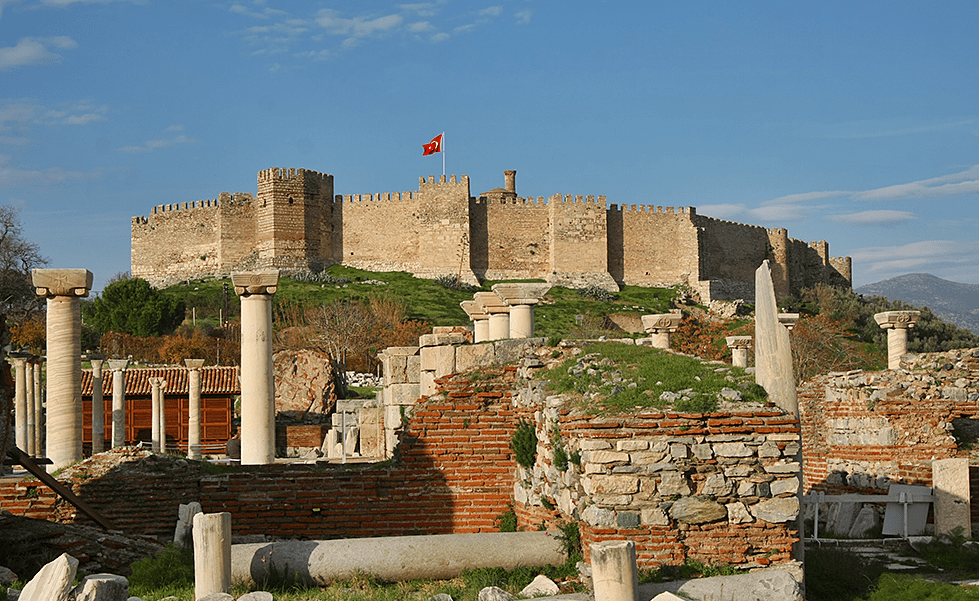
A typical second day in this structure might include the Ephesus Museum in the morning — small, uncrowded, and essential for understanding what you walked through the day before. Then the Basilica of St. John, a Byzantine-era basilica built over the apostle’s tomb, quiet on a hillside above the town. The Isa Bey Mosque sits just below it — a 14th-century Ottoman structure that most visitors walk past without stopping. In the afternoon, the village of Sirince, 8 kilometres above Selcuk: stone houses, terraced orchards, local wine, and an atmosphere that has nothing to do with ancient ruins.
This option suits slow travelers, first-time visitors to Turkey, faith and history focused travelers, and anyone who wants a complete picture of the Ephesus region without adding distance to their journey.
For most travelers deciding between one day and two, this is the option that makes the second day feel immediately worthwhile.
Option 2: South Ionian Route
Priene, Miletus, and Didyma — three ancient Ionian sites south of Ephesus — form a full-day private tour. This is not a partial add-on or an afternoon extension. Each site is distinct and requires time.
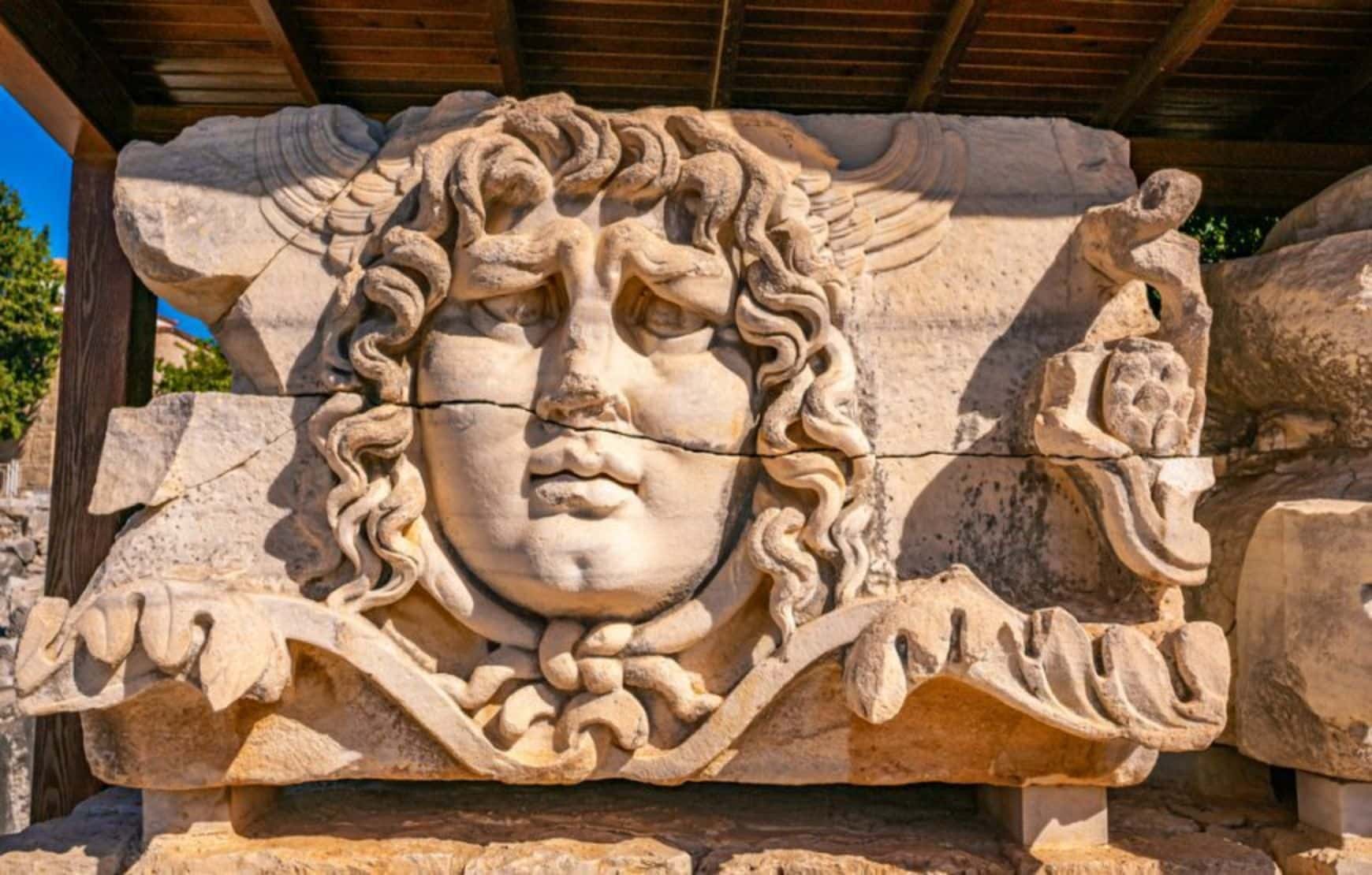
Priene sits above a wide plain, a Hellenistic grid city with a theatre and a Temple of Athena, rarely visited and quietly dramatic. Miletus was once one of the most important port cities of the ancient world — its Roman theatre, still largely intact, seated 15,000 people. Didyma holds the Temple of Apollo, an oracle sanctuary that rivalled Delphi in significance and still conveys something of that weight today.
This option suits archaeology-focused travelers, returning visitors who have already covered Ephesus well, and anyone who wants to move through the broader Ionian historical corridor with fewer crowds and more depth.
It’s a different kind of day — less about iconic landmarks, more about understanding the broader Ionian world that Ephesus was part of.
Option 3: Pamukkale Extension
Pamukkale — the white travertine terraces and the ancient city of Hierapolis above them — is a natural extension for travelers combining UNESCO sites in a single Turkey journey. There are two practical ways to structure it.
As a day trip: depart from Selcuk or Kusadasi, approximately two hours each way. A long but manageable day, returning to your base in the evening.
As a one-way extension: Day 1 Ephesus, Day 2 transfer to Pamukkale with an overnight there, then onward or fly out from Denizli airport. This structure works especially well when Pamukkale is already part of the wider itinerary — it removes backtracking and keeps the journey moving forward.
This option suits multi-city Turkey itineraries and travelers who want to connect two of the country’s most significant historical and natural sites without a detour.
This isn’t about replacing Ephesus with Pamukkale — it’s about extending your route to include both in a way that feels coherent rather than rushed.
Selcuk or Kusadasi: Choosing Your Base
If you’re staying overnight for a two-day structure, the choice of base matters — not because one is better than the other, but because they suit different kinds of travelers.
Selcuk is a small Aegean town built around its history. The Ephesus Museum, the Basilica of St. John, and the Isa Bey Mosque are all within walking distance of the centre. The pace is slower, the atmosphere is authentic, and the town itself is part of the experience rather than just a place to sleep. Selcuk suits travelers who want depth — those who chose two days precisely because they want to feel where they are, not just move through it. It also makes the second day easier to structure, since most of the region’s key sites are already around you.
Kusadasi is a coastal town with a different energy: more hotels, more restaurants, a working harbour, and a resort feel that some travelers find exactly right. It’s 20 kilometres from Ephesus — easily covered by private transfer — and offers more variety for evenings and mornings. Kusadasi suits travelers who want comfort and flexibility as their base, with history as the day’s focus rather than the surrounding atmosphere. It’s a good fit if your priority is a relaxed stay with more options outside the historical visits.
Neither is the wrong choice. The right one is the one that matches how you travel.
One Day or Two? Here’s How to Decide
Both structures work. The question is which one works for you — and that depends on what you’re actually trying to get from this part of your trip. Most travelers don’t need more time — they need the right structure.
One day is the right choice if: Ephesus is one stop in a fast-moving itinerary and you’re not looking to slow down. You’ve already visited the region before and the ancient city is your focus. Your schedule doesn’t leave room for flexibility. You want a strong, memorable day — and you’re comfortable knowing the wider region is there if you return.
Two days is the right choice if: cultural depth matters more than coverage. You’re building a larger Turkey itinerary and this region is a meaningful part of it. You want a private, unhurried experience rather than a structured rush. Any of the three second-day options — the region in depth, the South Ionian route, or a Pamukkale extension — genuinely interests you.
| One Day | Two Days | |
|---|---|---|
| What’s included | Ephesus Ancient City, Terrace Houses, House of Mary (if time allows) | All of day one, plus a full second-day structure of your choice |
| What’s typically skipped | Ephesus Museum, Basilica of St. John, Sirince, South Ionian sites, Pamukkale | Nothing structural — depends on which option you choose |
| Pace | Efficient, time-managed, forward-moving | Relaxed, flexible, presence-oriented |
| Experience depth | Site-level — you see Ephesus well | Region-level — you understand where Ephesus sits |
| Emotional experience | Efficient and memorable, but surface-level | Immersive — the region starts to make sense as a whole |
| Traveler type | Fast itinerary, returning visitor, focused interest | First-time regional visit, cultural depth, multi-day Turkey journey |
| Base needed | Day trip or single overnight | Selcuk (depth) or Kusadasi (comfort) |
Our Recommendation
If your schedule allows any flexibility, two days in this region is almost always the better structure. Not because Ephesus demands it — you can see the ancient city well in a single day. But because the region around it rewards staying, and that reward is the part most travelers on tight itineraries never get to discover.
Most travelers don’t regret choosing one day. But those who stay longer rarely wish they hadn’t — and it often becomes the part of the trip they remember most.
For first-time visitors, Option 1 — the Ephesus region in depth — is the default we recommend. It doesn’t require additional travel, it doesn’t rush you toward another site, and it gives the first day’s experience time to mean something. For travelers with a broader archaeological interest or a multi-city itinerary already in motion, the South Ionian route or a Pamukkale extension may fit more naturally.
On a private tour, the structure adapts to you. The pace, the routing, the decision between Selcuk and Kusadasi, the shape of the second day — none of that is fixed. If you’re considering how to structure your visit, we’re happy to help you think through the options and shape the right itinerary for you.
Explore Our Private Ephesus Tours

Where is the best place to stay for a two-day Ephesus itinerary — Selcuk or Kusadasi?
Selcuk suits travelers who want to stay close to the historical layers — the museum, the Basilica, and Sirince are all nearby. Kusadasi suits those who prefer a coastal base with more comfort and variety. Neither is inherently better; the right choice depends on how you want the non-touring hours to feel.
Can I visit Pamukkale as a day trip from Ephesus?
Yes — Pamukkale can be visited as a day trip from Ephesus, as it’s approximately two hours from Selcuk or Kusadasi by private vehicle. A more comfortable structure is a one-way extension: Ephesus on day one, Pamukkale overnight on day two, then onward or fly out from Denizli airport. This keeps the journey moving without backtracking.
What is the South Ionian route and is it worth a full day?
The South Ionian route covers Priene, Miletus, and Didyma — three ancient Ionian sites south of Ephesus. Each is distinct: Priene for its Hellenistic hilltop setting, Miletus for its vast Roman theatre, Didyma for the Oracle of Apollo. It’s a full-day private tour, not a partial add-on, and one of the most rewarding full-day routes for travelers looking to go beyond Ephesus.